
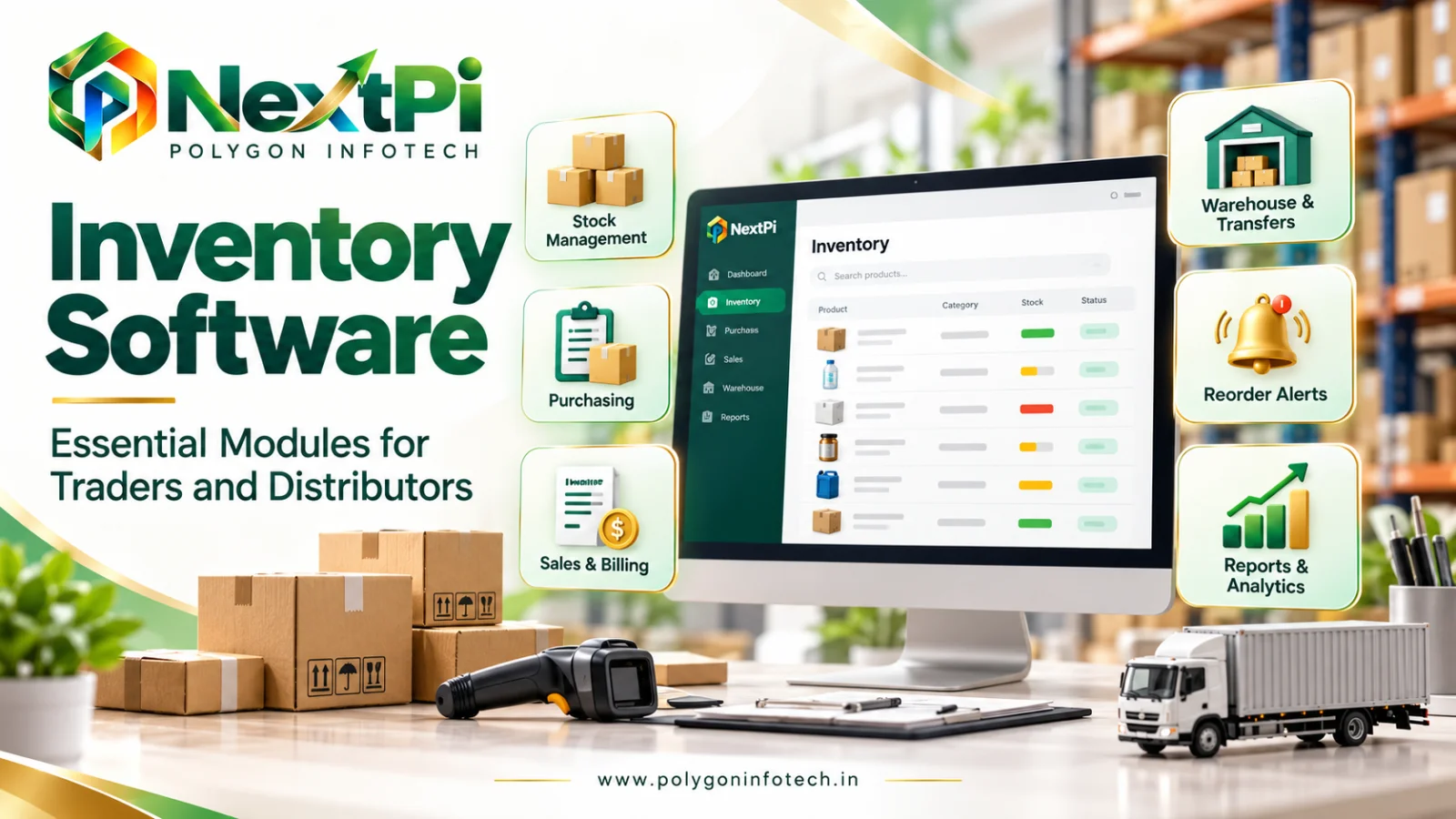
Inventory software is useful when the business can explain how goods move and who is responsible for each movement. A screen showing an available quantity is only the result of those records. For traders and distributors, the first implementation should establish reliable item information and traceable transactions before adding complex dashboards or automated purchasing rules.
Create dependable item and location masters
Define a unique code, description and unit for each item. Decide how packs, pieces and other units relate to one another. Record storage locations consistently instead of allowing several spellings for the same warehouse. Agree on whether batches, expiry dates or serial numbers are relevant. Clean these masters before importing opening balances; otherwise, duplicate items can make a technically correct report difficult to trust.
Record every movement with a reference
Receipts should identify the supplier and supporting document. Dispatches should identify the customer or destination. Transfers should record both source and receiving location. Corrections need a reason and an authorised user. For a partial delivery, the software should clearly distinguish received quantities from outstanding quantities. This structure helps staff explain why stock changed instead of relying on a manually edited total.
Include stock checks and exception handling
Plan how physical counts will be entered and approved. Decide what happens when goods are damaged, returned or received without complete paperwork. Ask users to demonstrate these cases during testing. A system that works only for a perfect purchase and sale is not ready for everyday operation. Keep an audit trail so supervisors can review who corrected a transaction and which document supported the correction.
Build reports around real decisions
Start with stock by location, movement history and pending receipts or dispatches. A reorder report is useful only when lead times and minimum levels are maintained. Reconcile a sample of items against physical stock before rollout. Train users on transaction dates and units, then review exceptions regularly. Good inventory control comes from consistent recording and reconciliation, with software supporting the process rather than replacing it.
Plan your next step
Discuss your workflow and priorities with Polygon Infotech in Raipur. Use our project enquiry form to share the problem, current process and intended users.